Music has long been a universal language—a way to express emotions beyond words and connect us on a deeper level. We’ve all felt it before; a moving score accompanying an emotional scene in a movie, or a favorite song that stirs up strong emotions whenever you hear it. As parents and caregivers, you’ve probably witnessed your child having similar reactions to music. Perhaps they’ve fallen silent during a moving melody or light up with joy at a playful tune. These moments are powerful reminders of how music taps into our feelings—and opens the door to teaching empathy in meaningful ways.
Today, let’s explore simple and effective ways to use music as a tool to help children understand and share emotions. In this post, you’ll get 6 musical activities that teach empathy, listening skills, and emotional intelligence in fun, engaging ways. Each activity has step-by-step instructions, and some also include free printables that you won’t want to miss.
Why Music and Empathy Go Hand in Hand
When children engage with music, they’re not just listening or playing—they’re feeling. Each note and rhythm can spark joy, sadness, calm, or excitement. These emotional reactions lay the foundation for empathy: the ability to recognize and relate to others’ feelings.

By combining music with mindful activities, we can create playful yet powerful opportunities for kids to build emotional awareness and practice kindness in action.
6 Musical Activities That Foster Empathy
1. Songwriting for Feelings
What it teaches:
Emotional expression, self-awareness, and perspective-taking.
Why it works:
Songwriting invites kids to put feelings into words—and melodies—which strengthens their ability to identify and process their own emotions while imagining what others may feel. It also encourages creativity and open communication.
What to do:
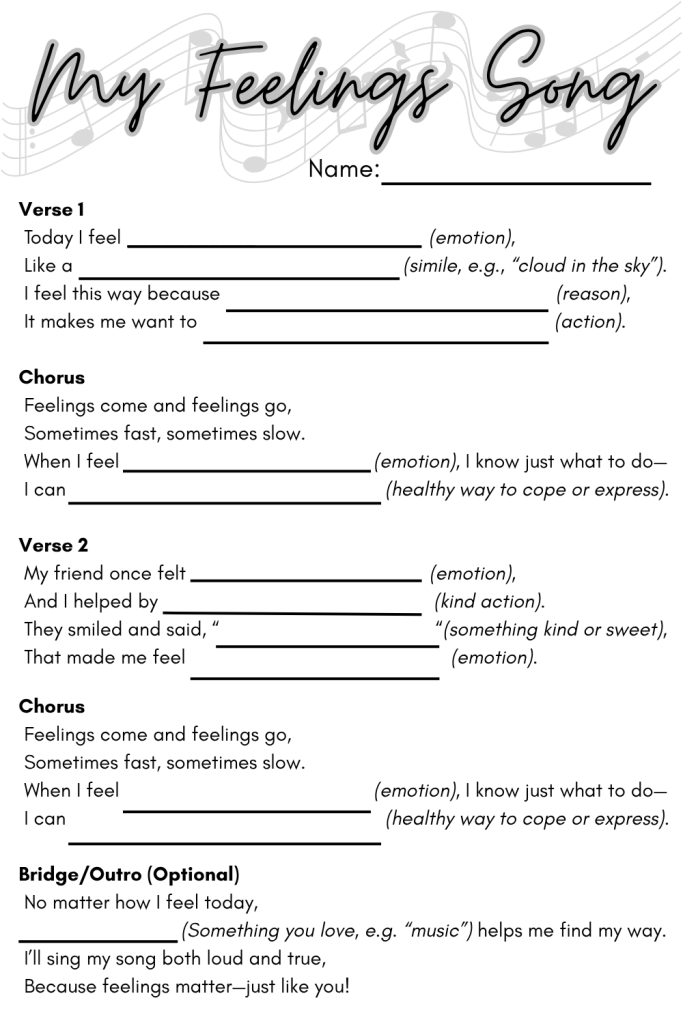
Sit down with your child and create a simple song about emotions. Use a notebook or one of our printable templates to guide them through the process.
Instructions:
- For older kids: Ask your child open-ended questions like:
- “How might someone feel when they’re left out?”
- “What could make someone feel proud today?”
- For younger kids: Ask your child to name a feeling (e.g., happy, lonely, proud, frustrated).
- Use open-ended prompts like:
- “What color is that feeling?”
- “If it had a sound, what would it be?”
- “When do you feel that way?”
- Help them write 2–4 lines about that feeling using their own words.
- Choose a simple tune to set their lyrics to—something familiar like Twinkle, Twinkle or make up a new melody together.
- Optional: Add drawings or rhythms for extra creativity!
Parent Tip:
Let your child take the lead! There are no wrong answers. You can also model the activity by writing and singing your own short verse first.
Extra Resource: Use the free printable “My Feelings Song” worksheet to guide the songwriting process and make it easy to repeat.
2. The Rhythm of Relationships
What it teaches:
Active listening, emotional mirroring, and social connection.
Why it works:
This rhythm-based call-and-response game mimics the back-and-forth nature of healthy relationships. Matching rhythms teaches kids to pay attention, respond thoughtfully, and feel “in sync” with others—just like empathy does.
What to do:
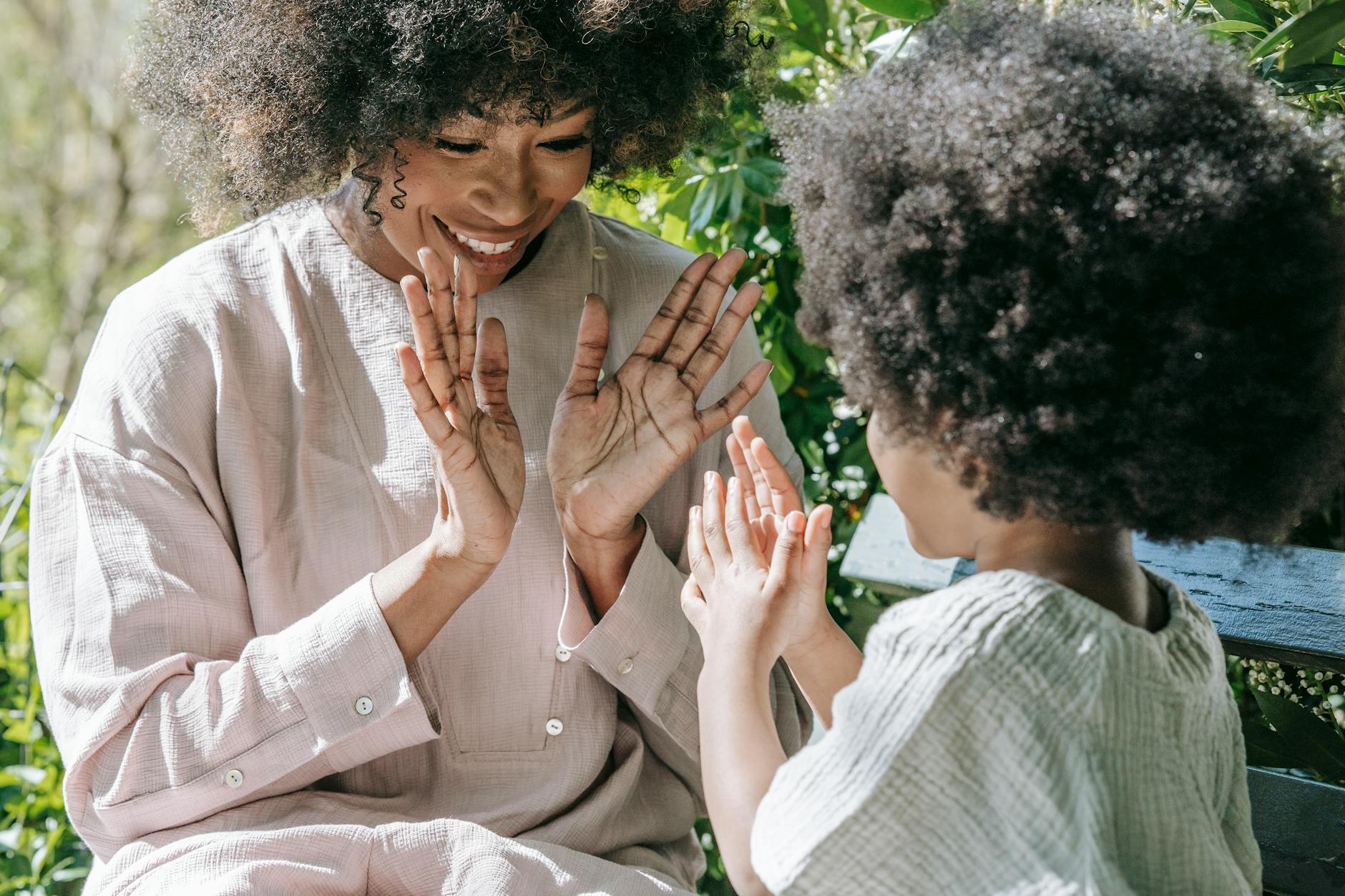
Turn rhythm time into a listening and connection activity using simple instruments or body percussion.
Instructions:
- Sit facing each other with a small drum, tambourine, or just your hands.
- Tap out a short rhythm (e.g., clap, clap, pause, stomp).
- Have your child repeat the rhythm exactly.
- Switch roles and let them lead the rhythm while you follow.
Parent Tip:
Point out how rhythm requires listening and patience. Ask:
“How did you know what to play next?”
“What helped you match the beat?”
Extend the Activity: Use emotional words during the rhythm. For example, “Let’s tap out what excited sounds like!” This bridges rhythm and emotional expression.
3. Musical Role-Play
What it teaches:
Empathetic action, emotional imagination, and problem-solving.
Why it works:
Role-playing with music activates both cognitive empathy (“What is someone else feeling?”) and compassionate response (“What can I do about it?”). Music sets the tone and helps kids tune into the mood of the scene.
What to do:
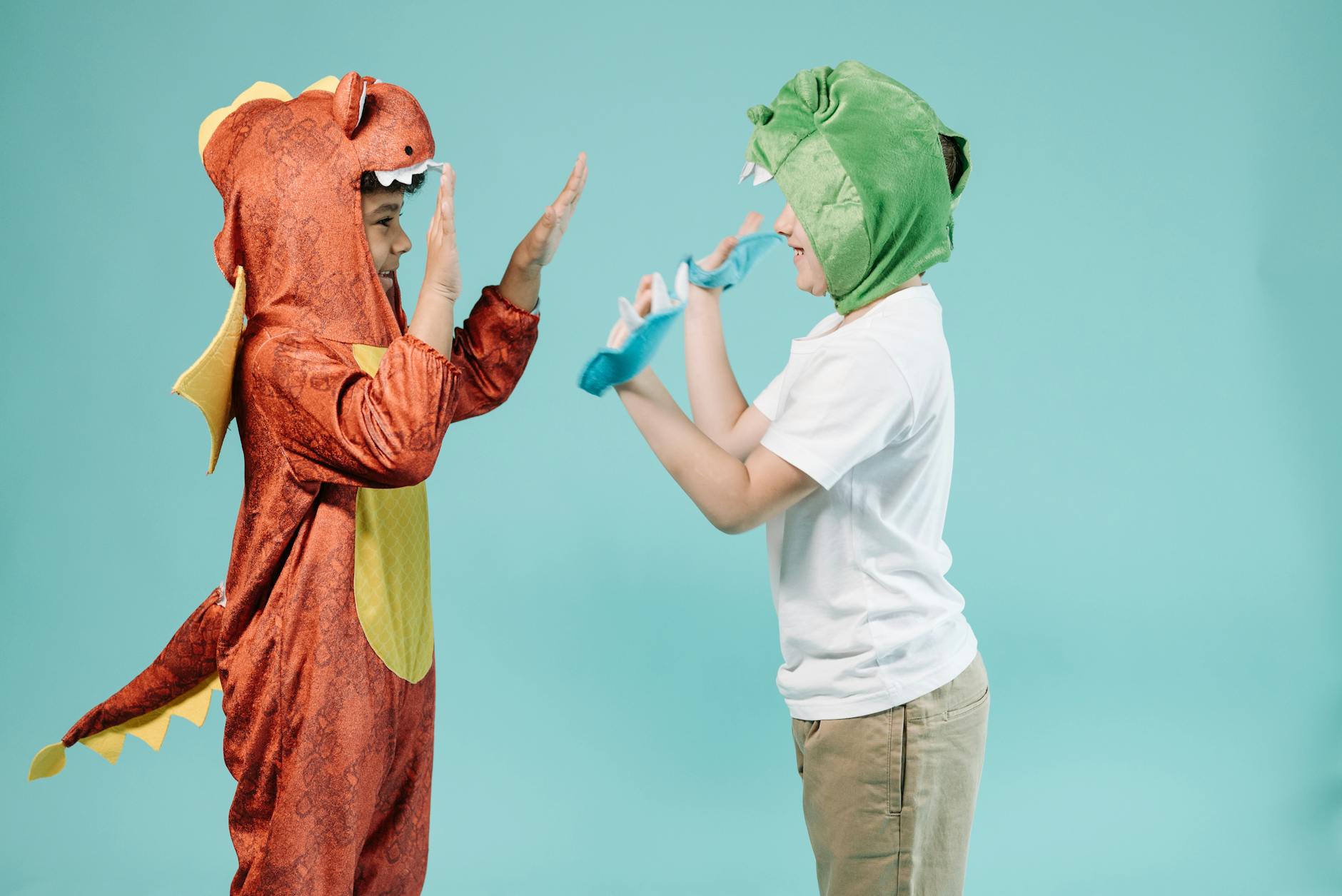
Combine pretend play with music to explore how we care for others.
Instructions:
- Choose a gentle or playful instrumental song to set the mood.
- Present an empathy-based scenario like:
- “Your friend dropped their ice cream and is feeling sad.”
- “Someone is sitting alone during lunch—what could you do?”
- Let your child act out how they would respond.
Parent Tip:
Ask reflective questions afterward: “What do you think your friend felt?”, “How did helping them make you feel?”
Make it More Fun: Let your child pick costumes or puppets to act out their scenes. You can even create a “Kindness Theater” corner.
4. Soundtrack a Story
What it teaches:
Emotional recognition, cause-and-effect thinking, and context-based empathy.
Why it works:
Pairing music with story moments helps kids learn that emotions change based on context. This deepens their understanding of how others feel in different situations and teaches emotional vocabulary through story.
What to do:
Bring books to life with music by creating a soundtrack that reflects the characters’ feelings.
Instructions:
- Choose a short picture book about friendship, bravery, or kindness.
- As you read, pause and ask:
- “What is the character feeling right now?”
- “Which instrument or song matches that?”
- Use a Bluetooth speaker or phone to play short music clips. Or let your child hum or play their own version with toy instruments.
Parent Tip:
Books with strong emotional arcs (like The Rabbit Listened by Cori Doerrfeld) work great for this activity.
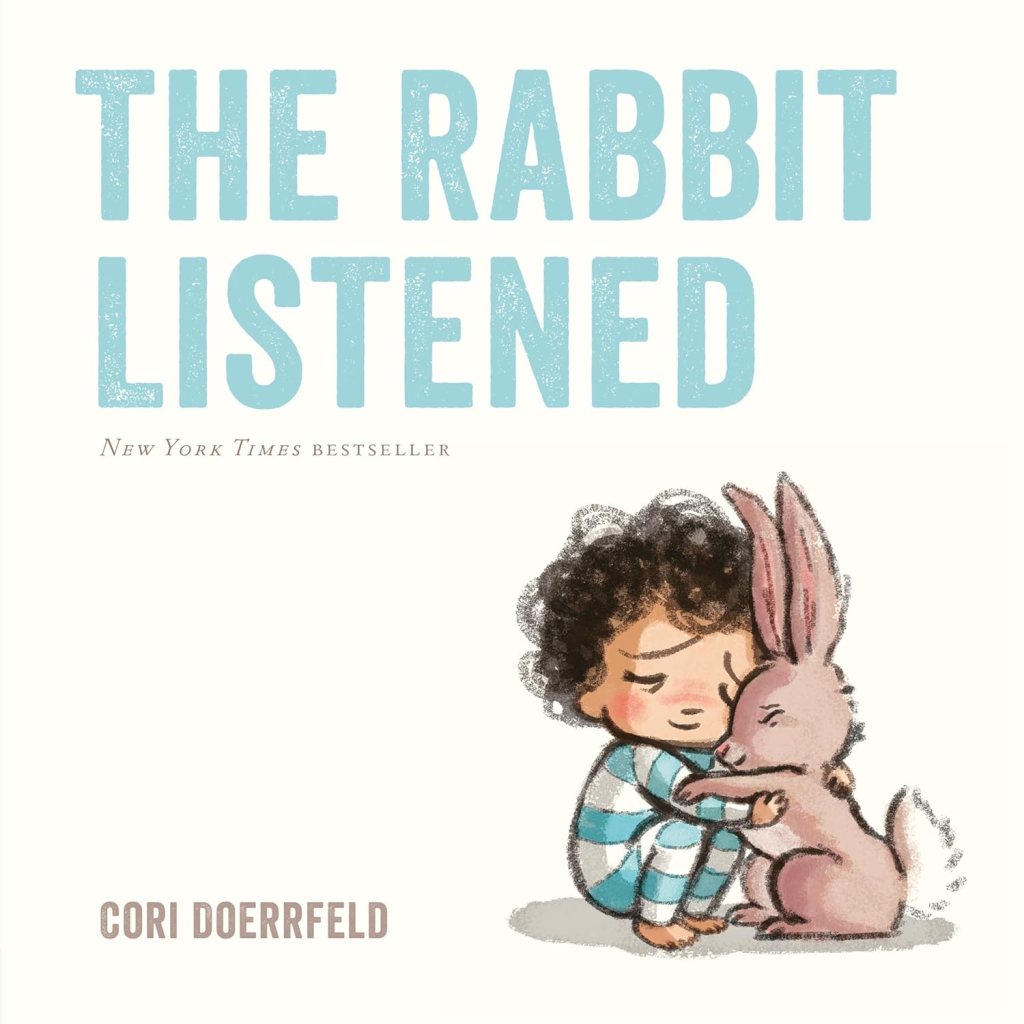
Optional: Create a “story soundtrack playlist” together for future bedtime reading!

5. Empathy Listening Circles
What it teaches:
Emotional awareness, perspective-taking, and inclusive dialogue.
Why it works:
Listening to songs together and reflecting as a group allows kids to realize that people can have different emotional responses to the same experience. This builds tolerance, patience, and shared understanding.
What to do:
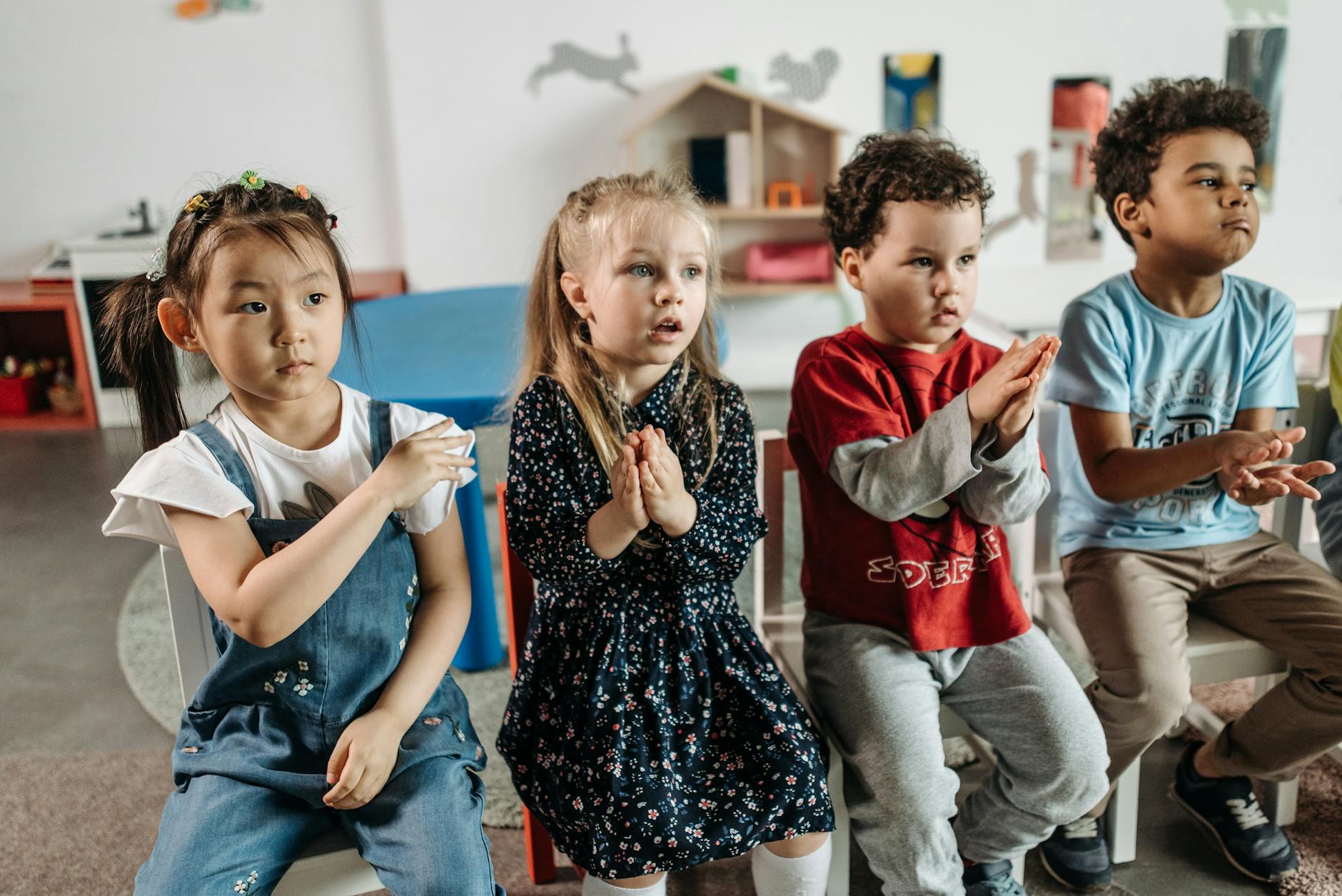
Play emotionally rich songs and invite children to share what they feel, imagine, or notice.
Instructions:
- Gather a small group (family, siblings, or a playgroup).
- Play a meaningful song like:
- “Count on Me” – Bruno Mars
- “True Colors” – Cyndi Lauper
- “You’ve Got a Friend in Me” – Randy Newman
- Afterward, go around the circle asking:
- “What did that song make you think of or feel?”
- “What message do you think the artist was trying to share?”
Parent Tip:
Reassure children that there are no right or wrong answers. Listening to one another helps kids build emotional vocabulary and practice perspective-taking.
Variation: Draw pictures while listening, then share and talk about what everyone drew and why.
6. Musical Moods Matching Game
What it teaches:
Emotion identification, mood regulation, and expressive thinking.
Why it works:
Matching facial expressions or emotion words to music clips reinforces a child’s ability to recognize emotions in themselves and others. Explaining their matches helps strengthen emotional vocabulary and empathy through reasoning.
What to do:
Use printed emotion cards and music clips to match feelings with sounds.
Set up:
- Print or make cards with expressive faces and emotion words (like “scared,” “excited,” “calm”).
- Prepare short music clips—either instrumental tracks or parts of familiar songs.
How to play:
- Lay out 2–4 cards face up.
- Play one music clip.
- Ask your child: “Which emotion card fits this music best?”
- Let them explain their choice: “Why did you choose that one?”
Parent Tip:
Encourage children to explain not just what they feel, but why—“Because the music was slow and soft, it felt sleepy.”
Free Resource: Use our printable Musical Moods set, featuring cute, kid-friendly faces, to save time!
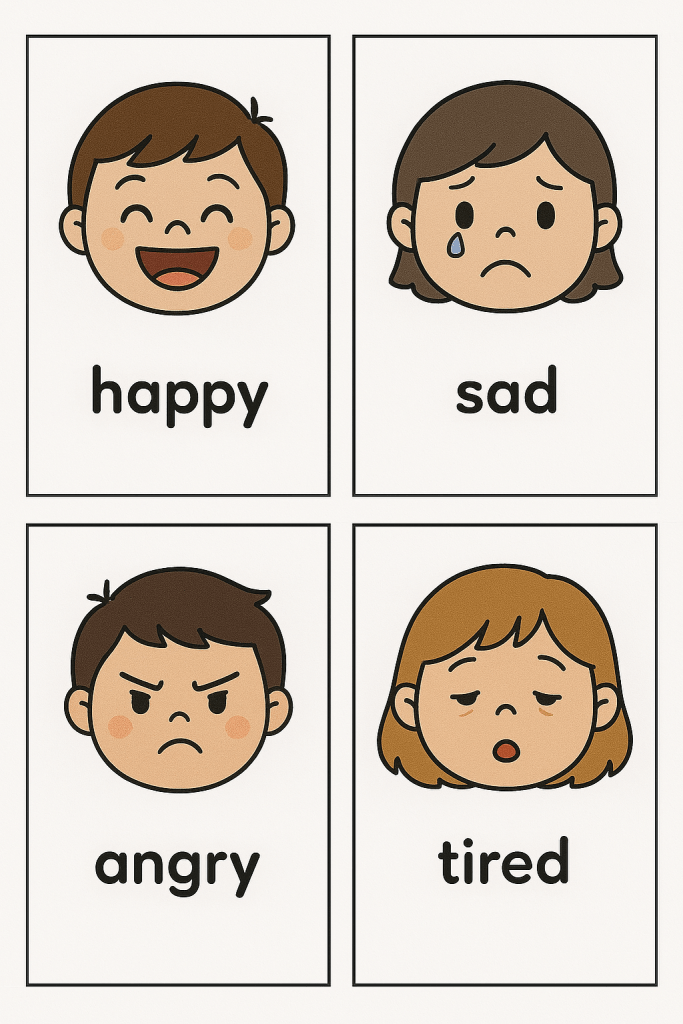
Download your free Musical Moods Matching Game below. You can add more cards with increasingly complex emotions to suit the needs of your child.
Summary
Teaching empathy doesn’t require formal lessons. With music, it can become a fun activity you do with your child, and is something that everyone can benefit from. Each of these activities invites children to listen closely—not just with their ears, but with their hearts. It sets the environment for deeper thinking, branching out from their own thoughts and feelings and encourages a higher level of emotional intelligence.
Music creates memories that resonate, making the path to empathy feel natural, playful, and deeply meaningful. Remember: empathy is a strength, not a weakness. It’s a skill that can be learned and practiced. The world needs kindness and empathy now more than ever. Let’s raise the next generation through leading by example, and practice empathy whenever you can.
Let’s Hear from You!
Have any of these ideas struck a chord with you? I hope you’ve been inspired by at least one of these activities and try it out with your child! Or maybe you’ve already seen moments of compassion bloom during a simple sing-along. Let’s keep the conversation going—what songs or music-inspired activities have sparked empathy in your home?
Share your stories in the comments below! Let’s continue inspiring one another through the universal language of music. 💛
Until next time! May your life’s melody lead you toward peace and love.
Want more real-life parenting tips, along with other free monthly activities and coloring page printables? Subscribe to the newsletter (it’s free!) – and join our community of parents, educators, therapists, and caregivers!
About the Author

Julie Perley is the author of The Melody of Life and is a board-certified music therapist, wife, and mom to three wonderful children. Her goal is to provide informative, fun, and supportive resources for any parent, educator, or caregiver of children. Read more about the author here.

 The Melody of Life
Leave a comment