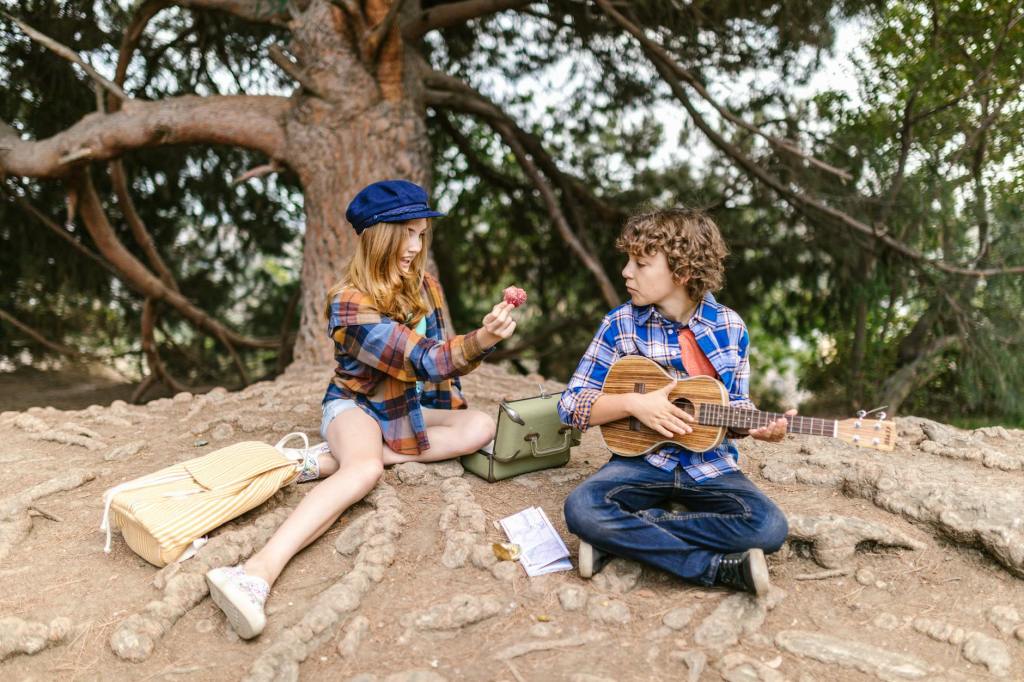
Transform everyday objects into musical instruments with this engaging hands-on activity for kids. The Everyday Sound Explorers scavenger hunt is designed to spark curiosity, build foundational music skills, and make learning about sound fun and interactive. Whether you’re a parent looking for rainy-day ideas, a music teacher building a lesson plan, or a caregiver wanting to inspire creativity, this activity is the perfect way to combine play, learning, and music education.
Best of all, you can download our free printable musical scavenger hunt cards to guide your child through their own sound adventure at home, in the classroom, or outdoors.

What Is a Musical Scavenger Hunt?
A musical scavenger hunt is a creative music activity for children that encourages them to explore the sounds of everyday items. Kids use clue-based cards to search for objects around the house, classroom, or play area that produce different types of sound. By tapping, shaking, scraping, or striking objects, children experiment with how sound is made—learning about rhythm, pitch, tone, and sound texture in the process.
This kind of sound exploration for kids supports both music education and science learning, making it ideal for STEAM-based classrooms, homeschool environments, or weekend play.
Educational Benefits: What Kids Will Learn
This activity blends music, movement, and sensory play into one enriching experience. Children will:
- Develop auditory discrimination by identifying and comparing different sounds
- Build rhythmic awareness by creating their own beats and sound patterns
- Explore concepts of pitch and tone through hands-on experimentation
- Strengthen fine motor skills as they handle and manipulate objects
- Engage in creative thinking and problem-solving
- Practice communication and presentation skills when sharing their findings
This musical scavenger hunt is appropriate for preschoolers, kindergarteners, and elementary-aged children, typically ages 4 to 10.
Materials You’ll Need
To run this activity, you’ll need the following:
- Printable scavenger hunt cards with graphics and simple clues (download here or from The Melody of Life free printables library)
- Clipboards or a safe surface to hold and display cards
- Notebook or small journal for kids to sketch, write, or track what they discover
- Recording device or smartphone (optional: useful for sound playback or creating audio collections)
- A safe, open space indoors or outdoors where children can move freely and safely explore
Optional: art supplies for decorating journals or illustrating sound discoveries
Step-by-Step Instructions
1. Prepare the Musical Scavenger Hunt Cards
Begin by downloading our free musical scavenger hunt cards. Each card includes:
- A catchy, fun title such as “Shake It Up” or “Drum Roll Please”
- A bright, cartoon-style image of a common object (or musical alternative)
- A simple clue encouraging children to search for specific sound types, like “Find something that rattles when you shake it” or “Look for something that makes a high-pitched ding”
💡Pro Tip: Use a laminator like this one here to make these cards last a long time. If you’re someone who loves to create your own activities to use, I highly recommend having a laminator handy. You’ll also need laminator sheets – this one comes with 200 sheets!1
Alternatively, you can use packing tape to attach these cards to standard 3″x5″ flashcards. This will help them become stockier and the tape will protect the cards from damage.
2. Introduce the Activity
Start by gathering the children in a group. Introduce the idea that they will become “Sound Explorers”—on a mission to discover how everyday objects can make music. Demonstrate a sample card and model how to experiment with objects to match the sound described in the clue.
Encourage children to use all their senses (except taste!) and to think creatively about each object’s musical potential.
3. Begin the Scavenger Hunt
Distribute the scavenger hunt cards. You can assign one per child or let them work in pairs or small groups. Allow 15 to 20 minutes for children to:
- Explore the space freely
- Test different items by tapping, shaking, sliding, or scraping
- Listen closely to the sounds each object makes
- Record findings in their journals with drawings or short notes
- Take pictures or record audio samples if using a device
Be sure to supervise exploration, especially with younger children, and remind them to handle household or classroom items carefully and respectfully.
Encourage children to discover more than one object per clue if they have time—this promotes deeper comparison and sound classification.
4. Group Sharing and Sound Demonstrations
After the scavenger hunt, bring the group back together. Invite each child or group to:
- Show one or two objects they discovered
- Demonstrate the sound it makes
- Explain why they chose it or what surprised them about the object
This is a powerful opportunity for peer learning and oral communication. Asking follow-up questions like “Does anyone else’s object make a similar sound?” or “Can we use these sounds to make a rhythm together?” can spark musical collaboration.
5. Reflection and Creative Discussion
Wrap up the activity with a brief reflection. Ask questions such as:
- What was your favorite object and why?
- Did any item make more than one sound?
- Were you surprised by any sound you discovered?
- How could you use these sounds to make a song?
Use this discussion to reinforce musical concepts such as timbre, dynamics, and rhythm. Consider creating a word wall of new sound vocabulary the children used or discovered during the activity.
Extended Learning Ideas
Sound Recording and Music Remix
Record the sounds children found using a simple recording app. Use them to build a group beat, audio collage, or digital “soundboard.” You can even layer the recordings using free music editing tools to create a simple rhythm track. This extension integrates music, technology, and creative expression.
Storytelling with Sound
Let children create a story where each found object represents a character with its own sound. For example, the pot lid might be the “loud guardian,” while the paper towel roll becomes a “quiet flute.” This builds narrative thinking and strengthens the connection between sound and storytelling.
Seasonal Sound Themes
Customize your scavenger hunt for different seasons or holidays. Some ideas include:
- Autumn Acoustics – rustling leaves, snapping twigs, pumpkin drums
- Winter Whispers – bells, snow boots, crunchy wrappers
- Spring Sounds – bird calls, water droplets, tapping flowers
- Summer Beats – beach buckets, flip-flops, garden hose sprays
These themed versions keep the activity fresh and engaging year-round.
Why This Activity Is So Effective
The Everyday Sound Explorers scavenger hunt blends music, science, and sensory exploration into one engaging package. It supports multiple learning domains, including:
- STEAM education through exploration of sound as a physical phenomenon
- Early childhood music education through hands-on instrument creation
- Gross and fine motor skill development
- Language development through discussion and reflection
- Creative thinking and collaboration
It’s also a low-prep and budget-friendly music activity, making it ideal for homes, classrooms, daycares, homeschool co-ops, libraries, and after-school programs.

Download Your Free Printable Musical Scavenger Hunt Cards
Ready to get started? Download your set of Sound Explorer Scavenger Hunt Cards and have fun with this musical activity! Afterward, come visit The Melody of Life Activities Page to find more ideas and free resources, including coloring pages, video instructions, and more, like this 5 Speckled Frogs Musical Activity for kids, or these patriotic musical activities you can do with your kids this Independence Day. Check back often, as more activities get posted and updated to the page.
Share Your Sound Discoveries
We’d love to hear how your Sound Explorers enjoyed their musical adventure! Share photos, journal entries, or sound clips by tagging @the_melody_of_life_mt on Instagram or posting with the hashtag #MelodyOfLifeMusicHunt. Leave a like or a comment on this post if you enjoyed this activity to let me know you want to see more free resources like this in the future.
Let’s inspire more families and educators to bring music, creativity, and learning into everyday life—one sound at a time.
Amazon Affiliate Disclosure:
- Some of the links on this site are affiliate links, which means if you click on one of the links and make a purchase, I may receive a small commission at no additional cost to you. I only recommend products that I believe will add value to my readers. I am a participant in the Amazon Services LLC Associates Program, an affiliate advertising program designed to provide a means for sites to earn advertising fees by linking to Amazon.com and affiliated sites. Thank you for supporting The Melody of Life! ↩︎

 The Melody of Life
Leave a comment