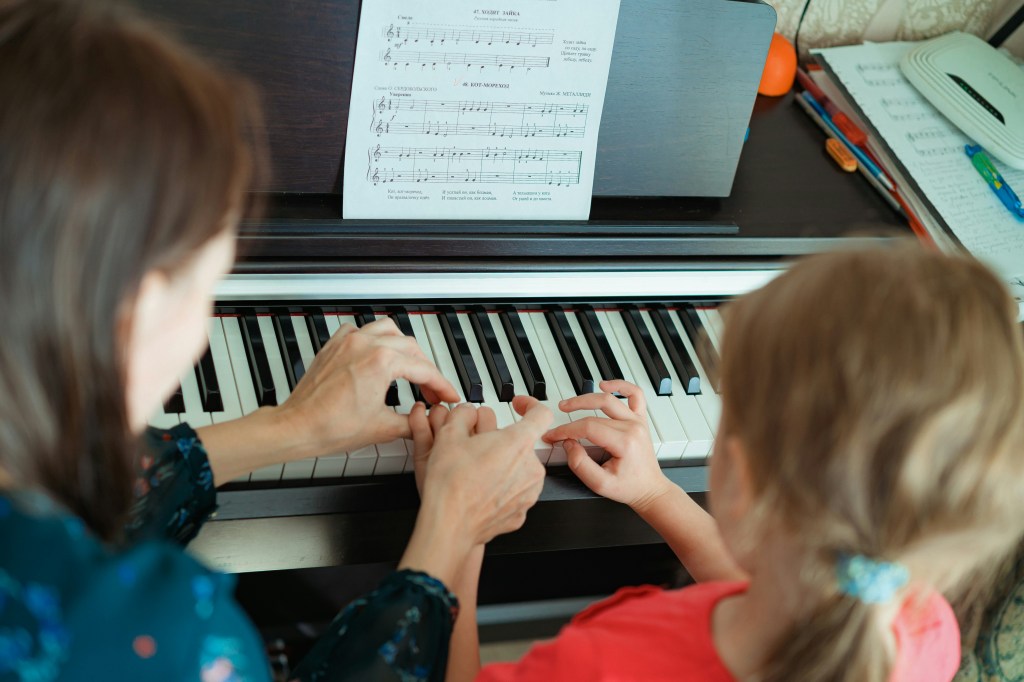
Thinking of starting music lessons and not sure where to begin? These 5 beginner-friendly instruments are great for kids and adults alike. Learn what makes each one a good choice for learning music with ease and fun!
Music is more than just a form of entertainment—it’s a powerful tool for cognitive, emotional, and social development, especially in children. Enrolling kids in music lessons can sharpen their minds, boost their creativity, and even enhance their academic performance. Whether they’re learning to play an instrument, sing, or compose, music engages multiple areas of the brain and foster skills that go far beyond the classroom. Children aren’t the only ones positively affected by learning music – adults can reap the rewards as well. From improved memory and concentration to greater self-confidence and emotional expression, the benefits of music lessons are truly remarkable. If you want to read more about music’s impact on the brain – and more specifically music lessons in children – then click here. Without further ado, here is a list of the top 5 instruments I’d recommend for music lessons.
1. Piano
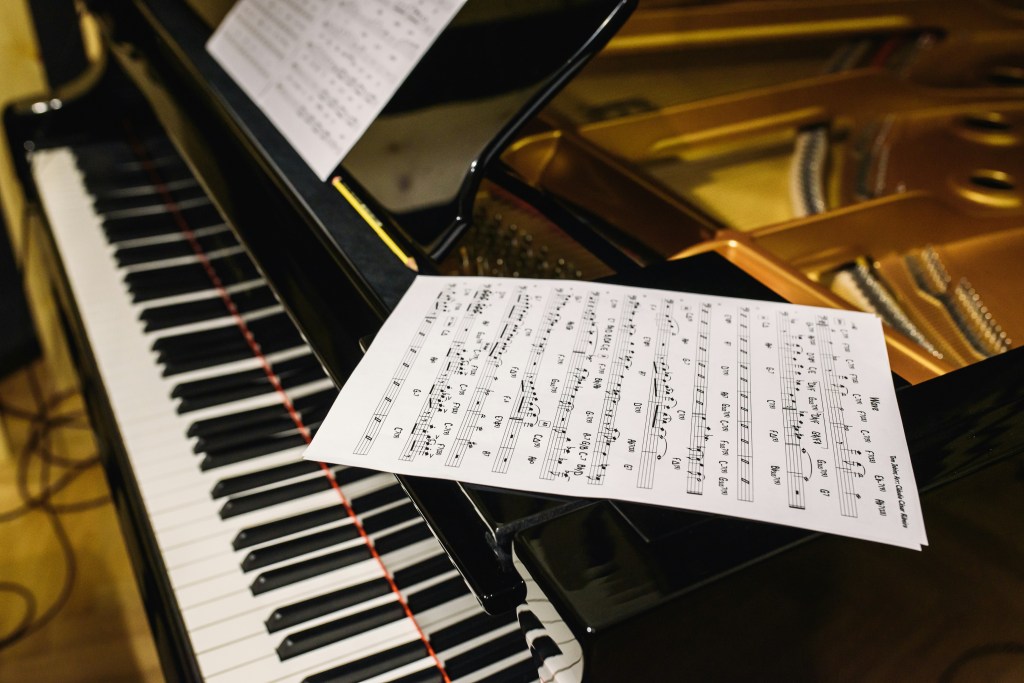
This one probably comes at no surprise. After all, the piano is one of the most versatile instruments and is a popular choice for lessons with good reason. It covers a wide range of pitches and offers a rich dynamic spectrum that suits everything from classical masterpieces to modern pop tunes. This versatility means that students can explore different genres and styles, which help to keep lessons engaging.
Another significant benefit from piano lessons is how much easier it is to learn music theory. Of course, the standout feature of the piano is its clear, linear keyboard layout. This design gives beginners an immediate visual map of musical notes, scales, and chords. When everything is laid out in an intuitive sequence, it naturally sparks a greater understanding of music theory, making it easier to grasp foundational concepts like harmony and melody right from the start.
Beyond theory and versatility, learning the piano also helps improve coordination. Unlike many instruments that focus on one hand at a time, the piano requires the use of both hands playing simultaneously in different ways. This dual-hand practice enhances motor skills, spatial awareness, and even multitasking abilities. The discipline gained here translates well into other areas of life, reinforcing not only musical skills but also general cognitive coordination.
Another important aspect is the emotional and expressive potential of the piano. Its range—from soft, delicate notes to powerful, resonant chords—allows one to convey profound feelings and stories. As the student progresses, the piano can become a channel for creative expression, enabling one to connect deeply with the music and, by extension, anyone listening.
Many musicians start their journey with the piano – including myself – using it as a stepping stone to explore and master other instruments. It is a wonderful instrument for building musical expertise and developing mastery over.
Difficulty: 3/5 – medium
2. Drums / Drum set
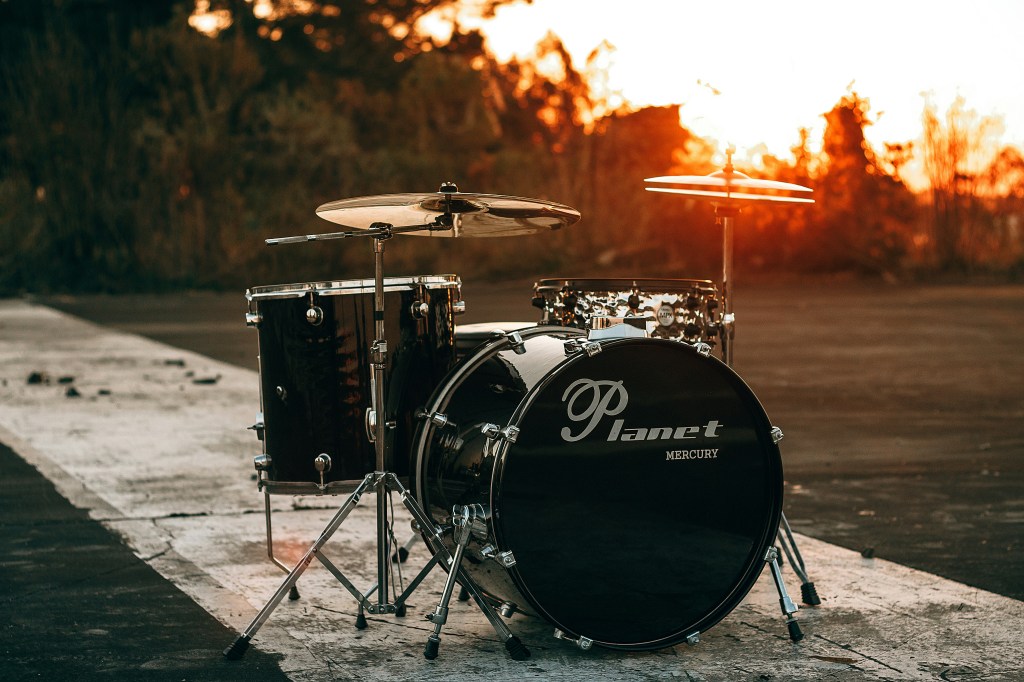
The drum set is a phenomenal choice for music lessons because it fundamentally teaches you the heartbeat of any musical piece—rhythm. Drumming instills a robust sense of timing and groove, skills that are essential whether you’re playing solo or with a band. This strong rhythmic foundation not only makes you a better ensemble player but also sharpens your overall musicality.
Moreover, the drum set is a powerhouse for developing coordination and motor skills. When you play, your hands and feet have to move in unison to distinct patterns, which improves both physical coordination and mental multitasking. This dual demand develops a kind of cross-training for the brain and body, enhancing cognitive function while also providing a full-body workout.
The versatility of the drum set is another major benefit. It spans countless musical genres—from rock and pop to jazz and funk—making your practice sessions dynamic and varied. This flexibility allows you to experiment with different styles, which can spark creativity and help you discover your unique musical voice. Whether you’re keeping a simple beat or tackling intricate fills, every lesson pushes you to explore the boundaries of rhythm and expression.
Beyond technical skills, drumming is a fantastic outlet for energy and emotion. The physicality of playing drums can be incredibly freeing, offering a productive way to channel emotions while also relieving stress. Children with high-energy levels would greatly benefit from drum lessons. Whenever my kids have extra energy or are experiencing feelings that they can’t quite express yet, I’ll ask them if they want to drum it out. Based on how they play, that can lead into productive conversation.
While the drum set might initially seem intimidating due to its physical demands, its challenges are exactly what make it such a rewarding instrument to learn. If the loud noise is a concern to you (or your neighbors), there are ways to dampen the sound of a drum set, such as using drum mute pads, drumstick dampeners, and practice pads that all help keep you and your neighbor’s sanity intact.
Difficulty: 2/5 – easier to pick up initially, difficult to master
3. Ukulele / Guitar
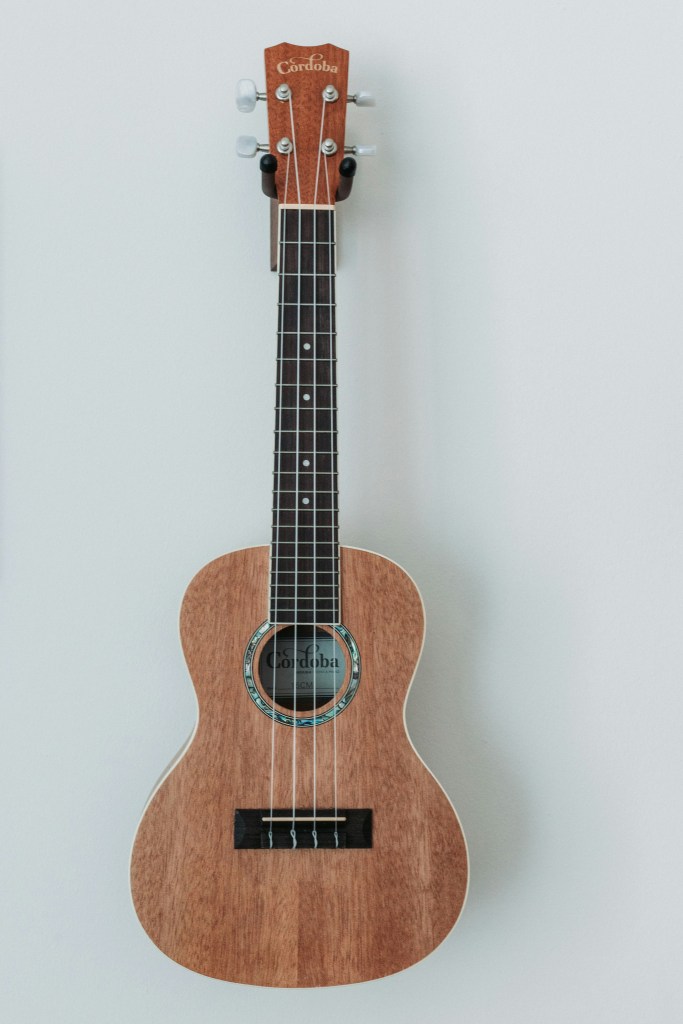
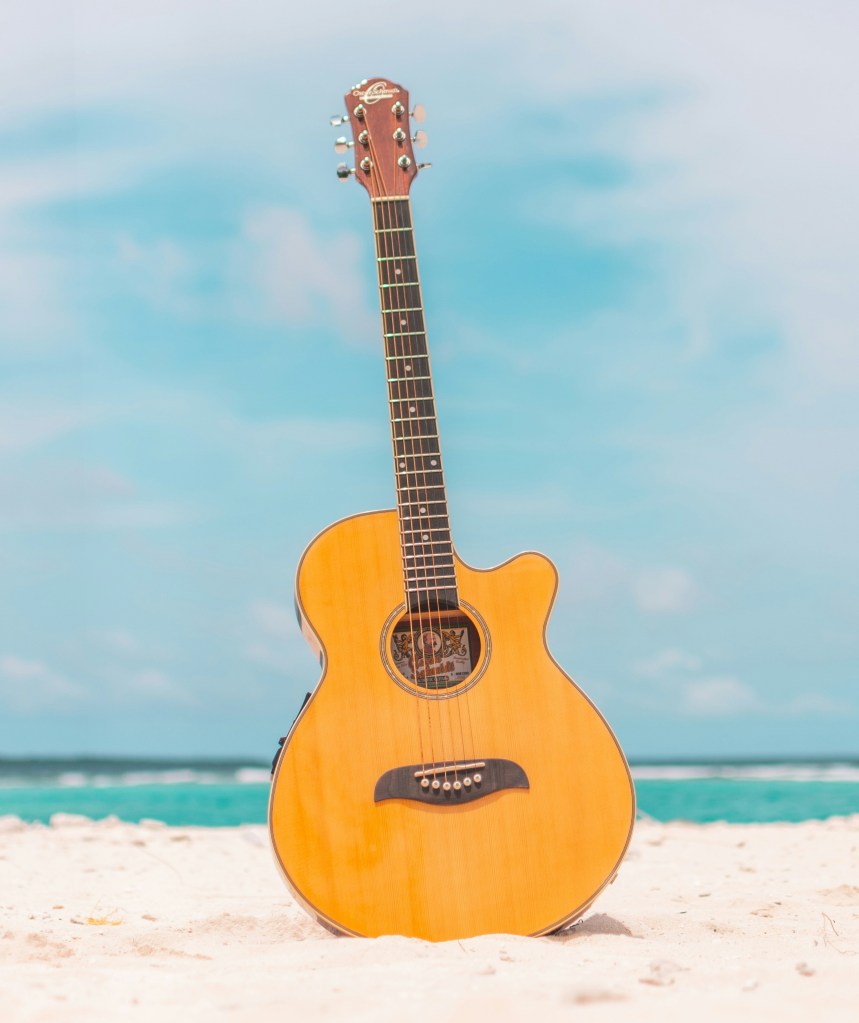
Both the ukulele and the guitar offer unique advantages that make them excellent choices for music lessons, and each can pave the way to a deeper understanding of music in its own way. I listed both because either would be a great choice depending on your budget and your needs.
Why Both Are Great for Music Lessons
Learning either instrument fosters essential musical skills such as rhythm, timing, and coordination. While the ukulele offers a quick start with accessible chords and a soothing sound, the guitar challenges you to expand your technique and delve deeper into the mechanics of music. The shared elements—like chord progressions, strumming patterns, and rhythm—mean that skills learned on one instrument can often transfer to the other, providing a more comprehensive musical foundation.
Moreover, both instruments are highly portable, which encourages regular practice whether you’re at home, with friends, or on the go. Their popularity in modern music scenes also means that there’s a vast community of resources, teachers, and fellow musicians, making it easy to find guidance and inspiration along the way.
The choice between the two really depends on your musical interests, budget, and learning style. Whether you’re drawn to the bright simplicity of the ukulele or the expansive versatility of the guitar, both instruments can open up a world of creative expression.
Ukulele
The ukulele is renowned for its simplicity and approachability. With only four strings and a compact design, it offers simple chord shapes that children and beginners can master quickly. The nylon strings are also easier on the fingers than that of the metal stings found on the guitar. This ease of learning means that students can often play recognizable songs from their very first lessons, which boosts confidence and keeps motivation high. Additionally, the ukulele’s warm, cheerful tone is great for exploring genres like folk, pop, and Hawaiian music, making it an inviting instrument for those just starting out. Ukulele’s are typically cheaper than guitars, so if you’re looking for something with a smaller price tag, this instrument is a good option.
I personally loved learning the ukulele. I learned it after the guitar, but it was much easier to learn in my opinion. The chords may seem simpler, but you can always scale it up to learn more difficult chords and styles of strumming.
Difficulty: 2/5 – easier than guitar
Guitar
The guitar, which is larger and features six strings, provides a broader palette of sounds and an even richer exploration of musical theory. Its more complex fretboard layout introduces a wider range of chords, scales, and finger techniques that build strong fundamental skills. This deep dive into music theory can be invaluable—not just for playing the instrument, but for understanding music as a whole. Its versatility across various genres, from rock and blues to classical and jazz, allows students to experiment with different musical expressions. While the learning curve may be higher than that of the ukulele, the guitar offers greater versatility and range.
Ever since learning the guitar in college, it has been my go-to instrument both at home and in music therapy sessions. I love it’s portability and versatility, and personally enjoyed the process of learning progressively harder techniques. It’s incredibly motivating when you can finally play along to your favorite song. That being said, this instrument does take a bit more time and practice to learn. And building up those callouses on your fingers can be uncomfortable for a while.
Difficulty: 3/5 – medium
4. Voice

This next instrument comes with a price tag that can’t be beat – free! The voice is one of the most natural and accessible instruments you have—it’s unique in that it’s both a tool for technical exploration and a profound means of self-expression. There are several reasons why the voice is an excellent choice for music lessons.
The first significant feature of this instrument is obvious – it is universally accessible. The majority of people are born with a voice, which means you can start exploring music without the need for expensive instruments or accessories. This innate accessibility lowers the barrier to entry, making vocal training an inviting first step into the world of music.
Vocal lessons focus heavily on pitch, tone, breath control, and articulation, which develop fundamental musical skills. Working on these skills doesn’t just improve your singing; it also trains your ear and heightens your sensitivity to melody, harmony, and rhythm. This foundational awareness proves invaluable whether you decide to pursue other instruments later, or if you simply wish to enjoy music on a deeper level.
The voice is a deeply personal instrument, which means it can emote as much, if not more, than other instruments. The ability to transmit emotion, personality, and nuance in a song sets apart the great singers we love listening to from those who haven’t had practice. Learning to modulate your tone, use dynamics, and convey emotion effectively transforms singing into a powerful storytelling medium. This not only enriches your performance but also builds confidence in your ability to communicate complex feelings.
There are also other health benefits that come with regular practice on this instrument. Vocal training often incorporates breathing exercises and posture techniques, which can have a positive impact on overall physical health. Enhanced breath control can improve lung capacity, while proper technique supports vocal longevity and helps prevent strain. These physical benefits extend into daily life, promoting better overall body awareness and stress relief.
In essence, choosing the voice for music lessons opens up a journey that is as personal as it is technical. It encourages you to harness your natural abilities, push your creative boundaries, and communicate your inner world through sound. Not to mention, singing is just so much fun to do and comes so naturally to all of us. The journey of voice training is not merely about hitting the right notes; it’s about mastering an instrument that is uniquely yours.
Difficulty: 2/5 – easy to get into and practice wherever you are, but gets more challenging as you progress
5. Recorder / Ocarina
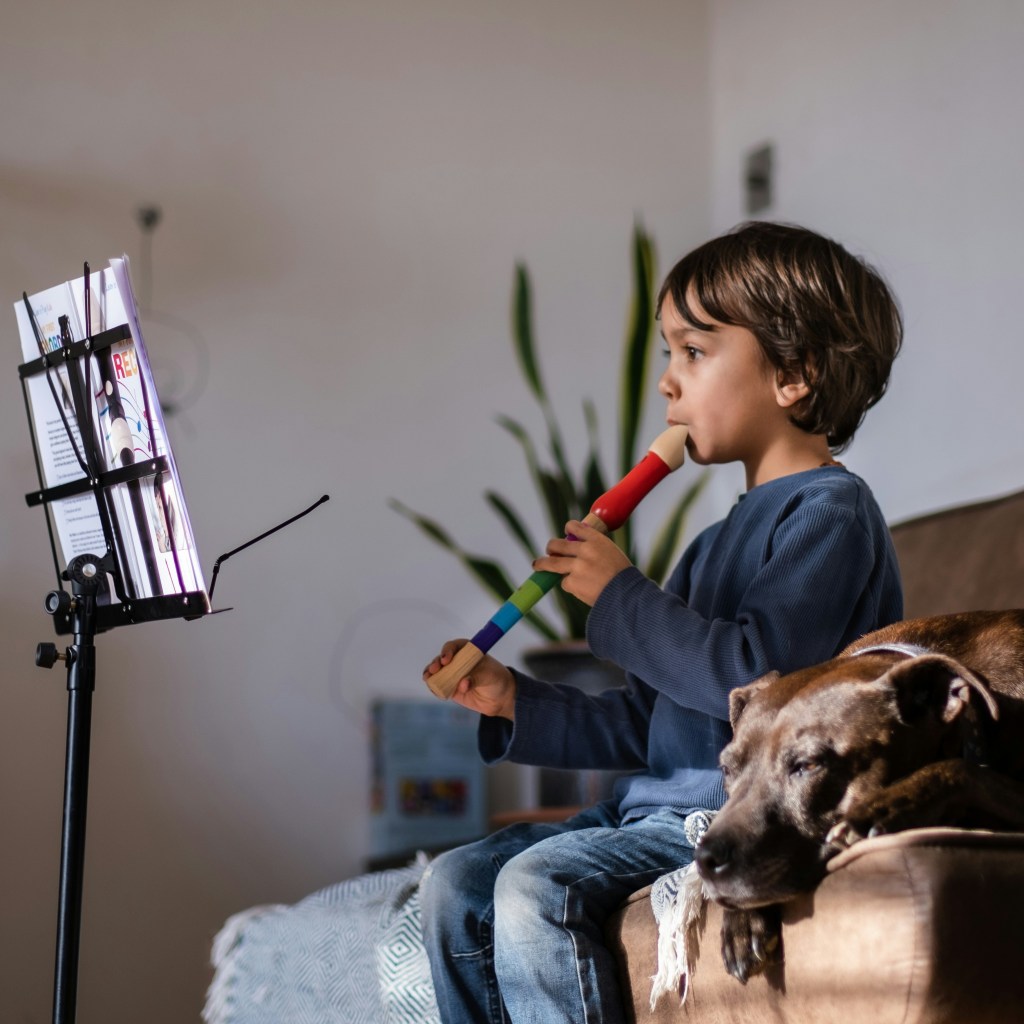
The last two instruments are on this list because of their low price point and accessibility. While they may have gotten a bad reputation (I’m looking at you, elementary music class), both are serious instruments that require many long hours to master as any instrument would. Both the recorder and the ocarina are wonderful choices for music lessons because they both serve as accessible, engaging gateways into the world of music. There are a few differences between the two that may influence which instrument you would want to consider.
Recorder
The recorder is widely recognized as an ideal instrument for beginners. It might even be something you’ve already played in school, and for good reason. Its simple fingering system and intuitive layout make it easy to produce sound right from the start. Students can learn basic melodies and chord patterns quickly, which builds confidence and keeps the momentum going. Furthermore, learning the recorder introduces essential wind instrument techniques—such as breath control, embouchure (the way you shape your mouth), and finger dexterity. These elements not only help in mastering the recorder but also lay a solid foundation that can be transferred to more advanced woodwind instruments in the future.
Recorders are typically low in cost and durable, also why they’re a popular choice for school music programs. However, while the overall design of the recorder makes it easy to produce sound and learn different notes quickly, it also requires a greater threshold of breath control in order play those notes with a good sound. For instance, if a student blows too hard into the recorder (something almost guaranteed to happen) the sound will jump an octave higher and produce a squeaking, irritating noise. Hence where the bad reputation of recorders comes from. However, once good breath control is established, the recorder can be a beautiful instrument capable of playing complex melodies.
Difficulty: 2/5 – easy to get started
Ocarina
The ocarina offers a unique and inviting alternative to the recorder. It’s distinct warm and mellow tone is both soothing and evocative, and may inspire students to explore different musical expressions and cultural traditions. Much like the recorder, the ocarina has a straightforward fingering system, which means beginners can produce musical sounds after just a few lessons. However, as students progress, they discover a surprising depth in its tonal range and expressive capabilities, making it an instrument that can both teach the basics and continue to challenge them as they advance.
The ocarina also has a wide cultural and popular appeal. It’s charming design and ties to various cultural heritages, as well as its presence in popular media (think The Legend of Zelda), can make learning the ocarina feel like embarking on a musical adventure. It sparks curiosity and provides a fun, interactive way to learn musical notation, rhythm, and dynamics.
Warning: Be wary of cheap ocarinas you might see on Amazon. Generally, you want to avoid the ones under $30, with only a few exceptions, because of their poor quality and abysmal tuning. Also avoid gimmicky Legend of Zelda ocarinas as well – even if they look cool, their sound quality is usually terrible – unless they have a good reputation and a higher price point. A few good quality ocarinas that are lower in price that have been recommended to me are Miracle.m (from Korea) and Night by Noble (from Japan). Both are made of plastic, which means they are more durable and cheaper to make, and hold their tuning well according to reviews. Neither is sponsored or have been personally tested by me.
Difficulty: 2/5 – easy to get into, but gets more difficult as you progress
Why Both Are Great for Music Lessons
Both the recorder and the ocarina are excellent tools to develop key musical skills such as breath control, finger coordination, and the ability to read music. Their relatively low cost and portability make them accessible options for a wide range of learners. Starting on these instruments can ignite a passion for music, showing students how music can unlock a rich world of creative expression.
Summary
Music lessons are a fantastic choice because they nurture both technical skills and emotional expression, setting the stage for lifelong learning and creativity. It is something I highly recommend for any child due to how it positively impacts the brain and development. Whether you decide to choose one of these beginner instruments on this list, or go with a completely different option, know that any instrument can provide a unique blend of cognitive, physical, and expressive benefits.
Overall, music lessons are more than just learning to play sounds—they’re an immersive journey into self-expression, creativity, and lifelong mental and physical wellbeing. The blend of technical proficiency and personal discovery makes music a uniquely rewarding pursuit that enriches every aspect of life. How you choose to enter that journey is ultimately up to you.
Let’s Hear from You!
Have you or your child started learning one of these instruments? Leave a comment and let me know which one you would choose!
Don’t forget to share this with your friends or anyone looking for music lessons!
Looking for musical activities to try at home? Check out this frog-themed rhythm activity with a free printable coloring page!
Until next time! May your life’s melody lead you toward peace and love.


 The Melody of Life
Leave a comment