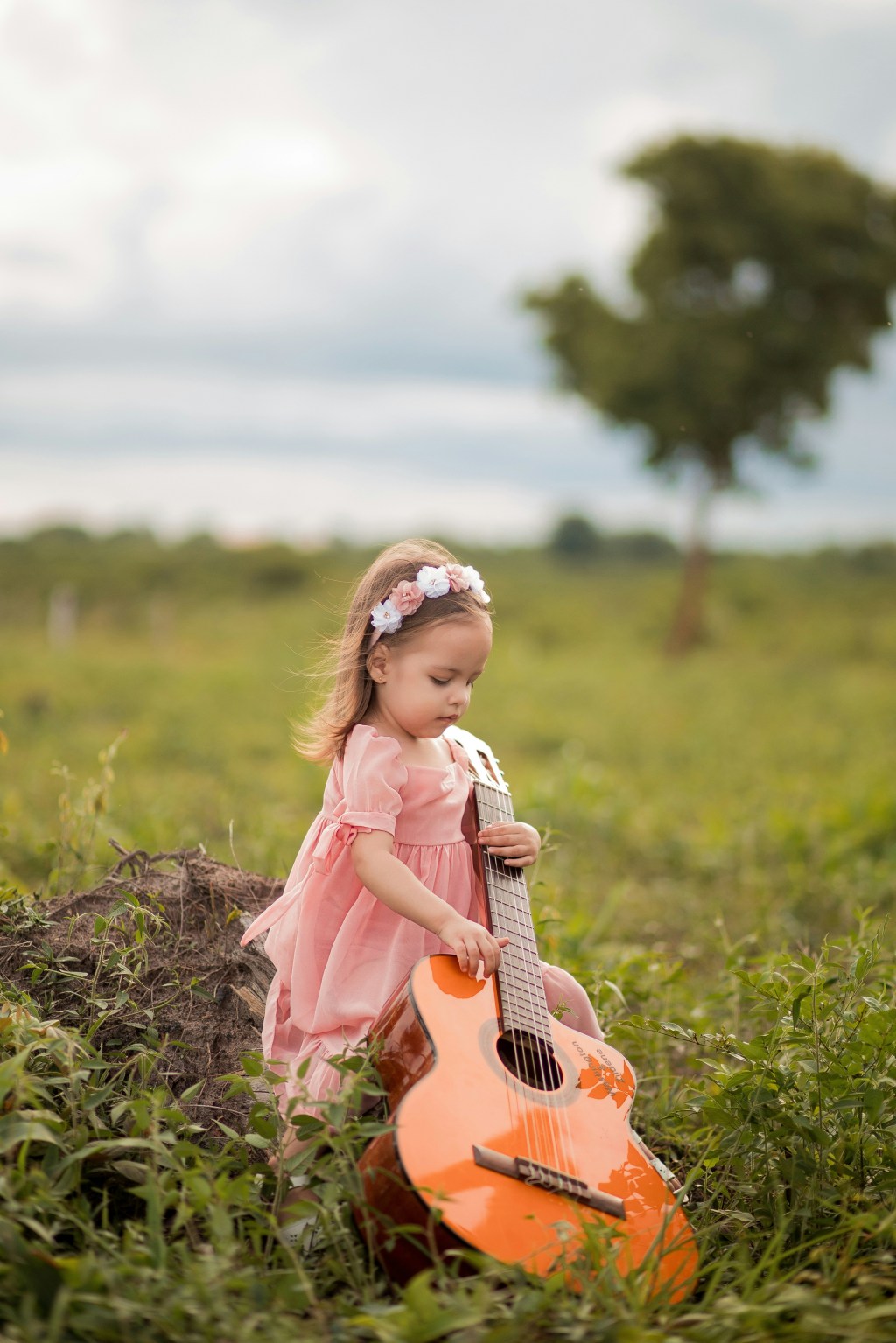
Music is much more than a form of entertainment—it is a powerful tool for learning and growth in early childhood. From soothing lullabies to upbeat playtime songs, music plays a crucial role in shaping cognitive, emotional, social, and motor development in young children. In this comprehensive guide, we delve into the science behind music and child development, share practical tips that parents can use to incorporate music into daily life, and explore engaging activities that nurture your child’s natural curiosity and creativity.
Enhancing Cognitive Development Through Music
Scientific Insights: Research over the past few decades has established a strong link between music exposure and cognitive development in young children. Studies have shown that engaging with music strengthens neural pathways, improves memory, and even enhances language acquisition. For instance, singing and listening to music can stimulate neural connections in brain regions responsible for processing language and understanding patterns, which in turn contributes to early literacy skills.
- Neural Connectivity: Brain imaging studies indicate that children who are frequently exposed to music show increased activity in areas associated with auditory processing, spatial reasoning, and problem-solving1.
- Language Acquisition: Lyrical patterns and rhythmic structures found in songs help children learn new vocabulary and understand sentence structure in a fun and engaging way. This musical input serves as an early stepping stone toward more advanced language skills, making music an invaluable tool for early learning2.

Supporting Emotional and Social Development
Music as an Emotional Regulator: The emotional benefits of music are just as profound as its cognitive impacts. Music can serve as a soothing balm for a fussy baby and can be instrumental in helping children learn to identify and regulate their emotions.
- Emotional Expression: Singing soft lullabies or playful songs allows children to explore a variety of emotional expressions—from joy and excitement to calm and introspection. Research suggests that music encourages both self-expression and empathy because it creates a shared experience among listeners 3 4.
- Self-Regulation: When a caregiver sings to a distressed toddler or plays gentle melodies during a stressful moment, it helps the child develop self-regulation skills, teaching them that their feelings are understood and manageable. These early experiences with emotional modulation are vital for healthy social-emotional development.
Social Benefits: Music is inherently a social activity. When children are dancing in a circle during a music class or engaging in a group sing-along at home, music fosters cooperation and social bonding. It teaches young ones to take turns, listen to others, and appreciate shared rhythms—a precursor to important social skills5.
Strengthen Motor Skills and Coordination Through Musical Activities
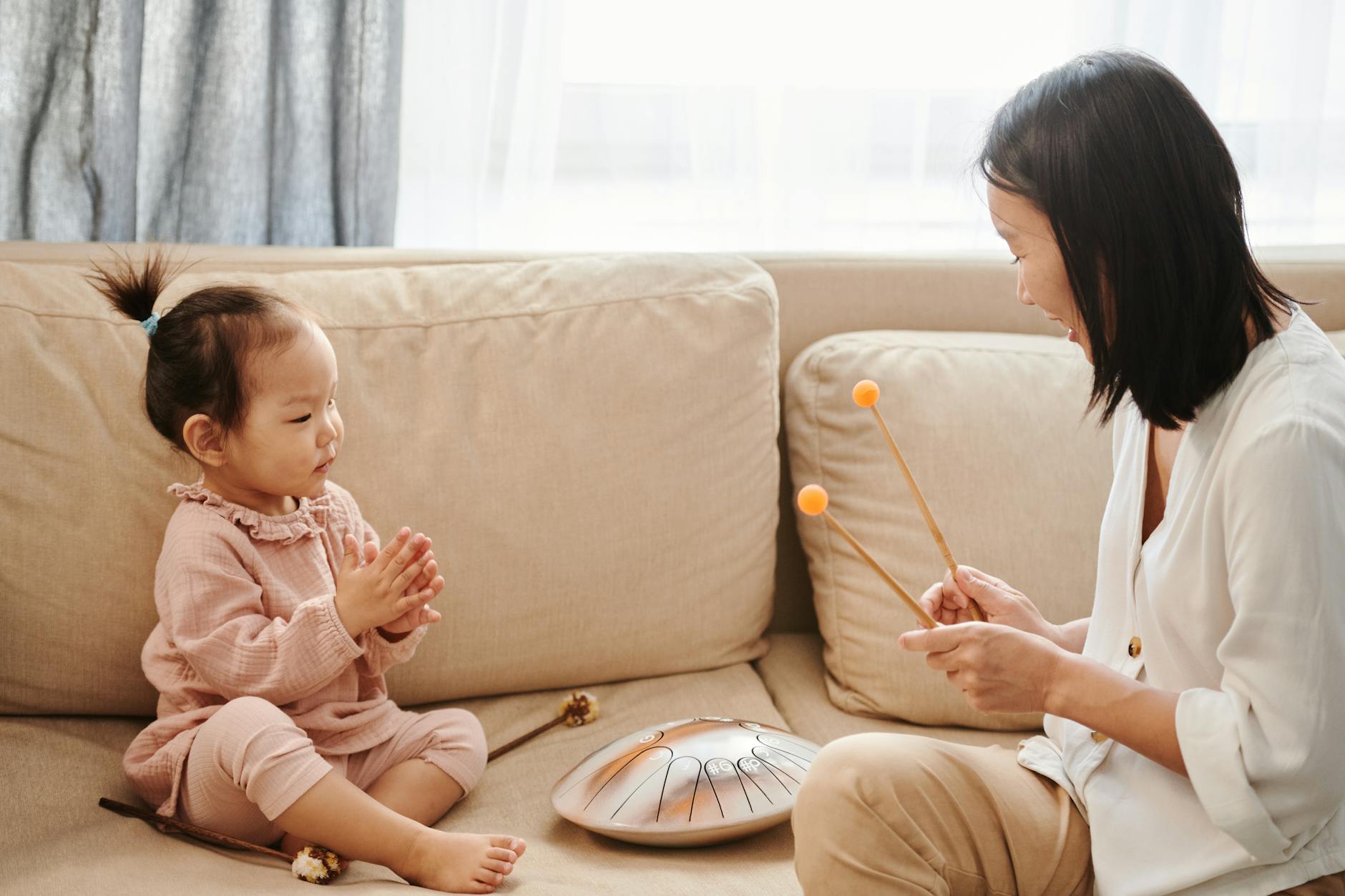
Physical Engagement: Movement and body coordination are essential parts of early childhood development. Music naturally encourages movement—be it dancing, clapping, or playing simple instruments.
- Motor Skills: Rhythmic activities, such as clapping hands or tapping feet to a beat, help develop both fine and gross motor skills. These activities enhance hand-eye coordination as well as overall body movement.
- Sensory Integration: Studies show that musical activities assist with sensory integration. When babies and young children engage in music, they are not only learning to move in time with rhythms, but are also honing their sensory processing skills, which are critical for everyday tasks and learning6.
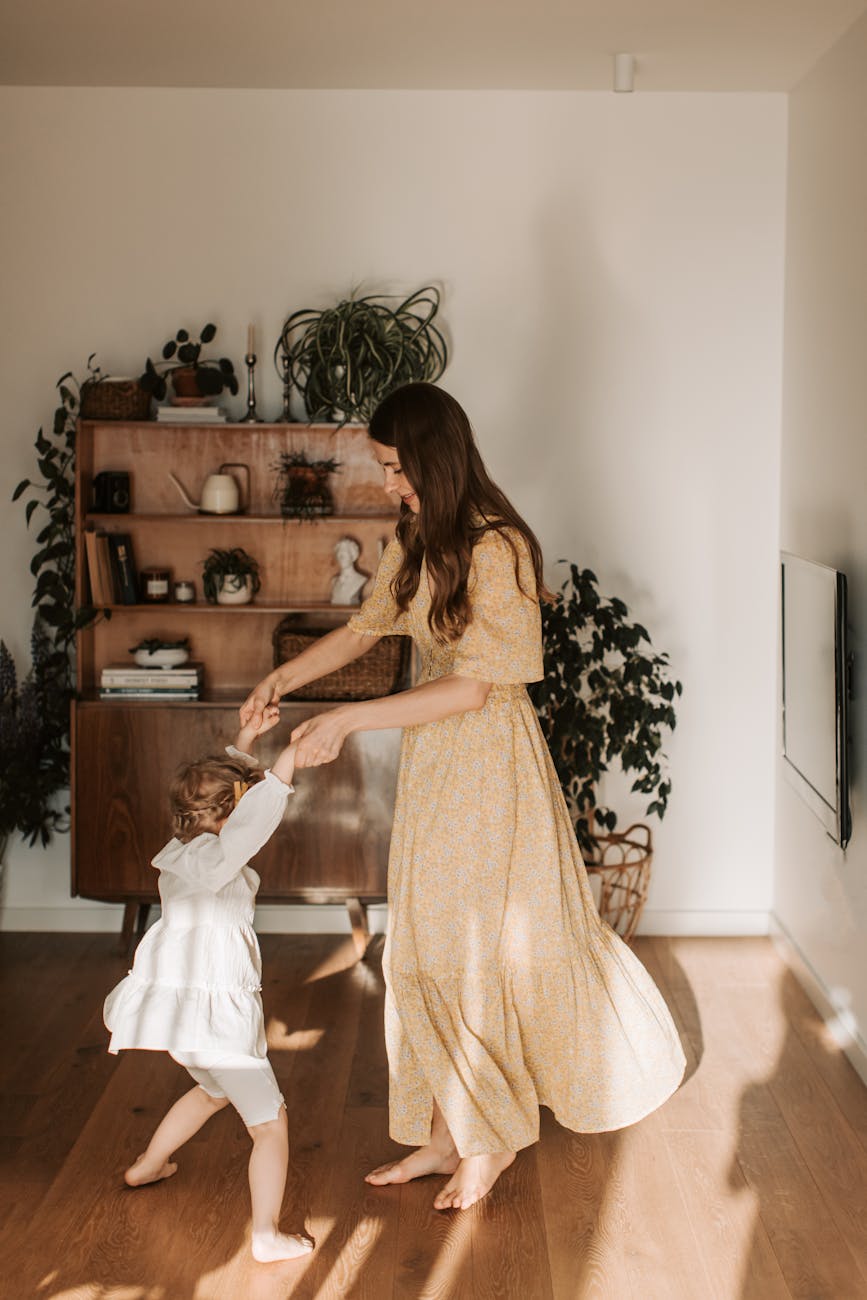
Movement-Based Learning: Encouraging movement to music can be as simple as a daily dance session in the living room or a game of “freeze dance.” These playful exercises are more than just fun; they provide structured physical activity, which is essential for building strength, flexibility, and balance in young children.
The Lifelong Impact of Music on Child Development
The early exposure to music sets the stage for lifelong learning and creativity. Here are a few of the lasting benefits:
- Academic Advantages: Studies have linked early music education to improved scores in mathematics and reading. The structure and pattern recognition skills developed through music translate into stronger academic performance.
- Emotional Wellness: Music fosters relaxation, reduces stress, and builds resilience by teaching young children how to calm themselves during overwhelming moments.
- Social Connections: Engaging with music in a social setting builds communication skills and reinforces bonds between family members and peers.
- Creativity and Expression: Music encourages out-of-the-box thinking and the ability to express emotions uniquely. This creative outlet can be a lifelong asset in both personal and professional realms.
As children grow and are continuously exposed to enriching musical experiences, the skills they develop become the foundation for a balanced and harmonious life.

Incorporating Music Into Your Child’s Daily Routine
It is never too late to start incorporating music into your child’s life. Whether you start during pregnancy or when your child is an older adolescent, there are several ways to use music as a bridge for connection as well as the benefits previously mentioned. Here are some ideas that can help get you started – remember that these are meant to give inspiration which you can then tailor to fit the needs of your family:
Pregnancy:
- Choose and sing the same lullaby to your baby starting from week 18 every night before you go to bed.
- Listen to music on speakers instead of headphones and sing along (bonus if your partner sings along too!).
- Dance or sway to your favorite music – not only does this help lower stress, but your baby will enjoy the movement as well.
- Meditate and practice breathing for labor while listening to calming music.
- Consider hypnobirthing techniques/playlists to listen to during pregnancy and while in labor.

Infancy (0-12 months):
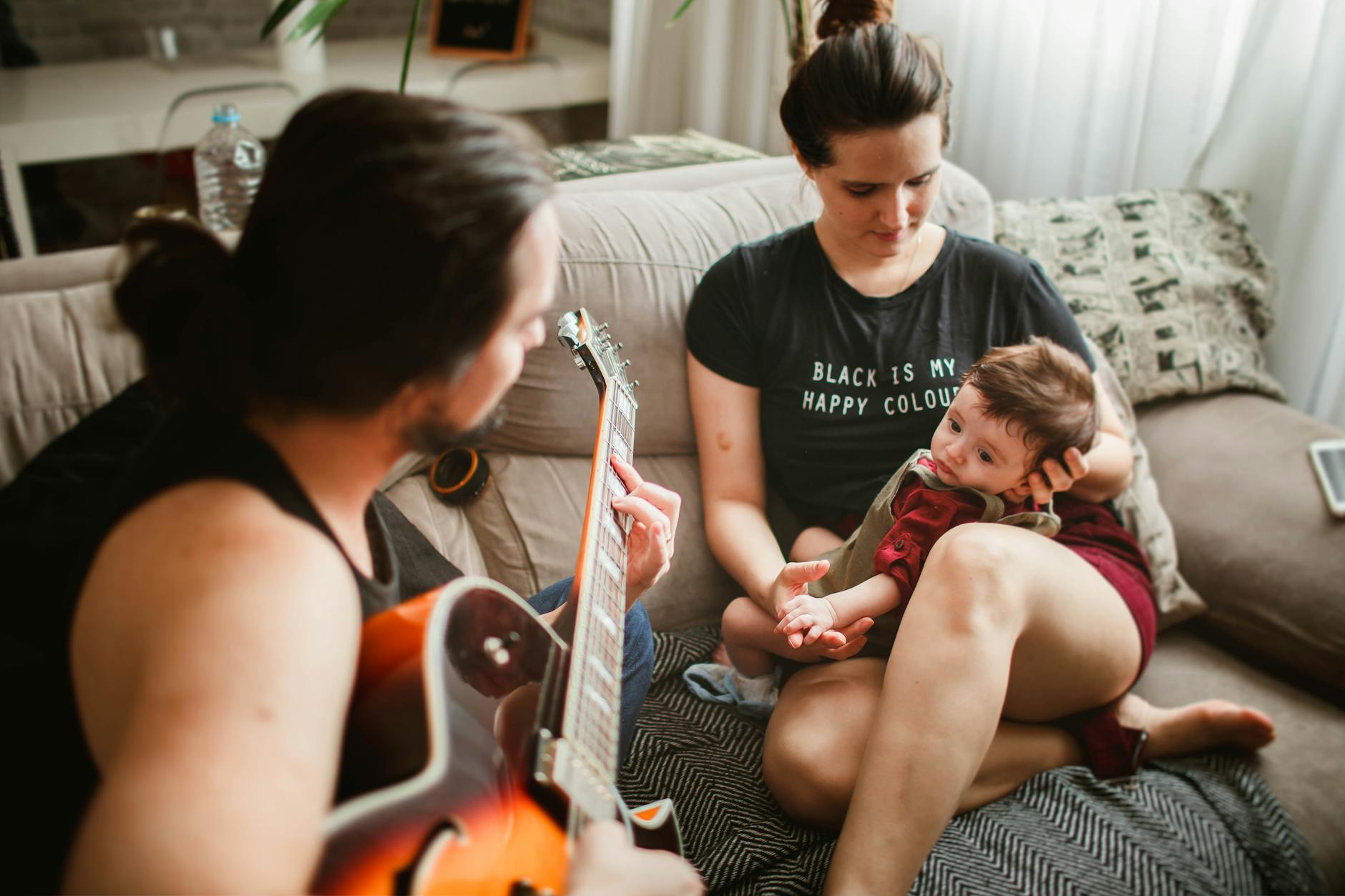
- Sing the same lullaby before putting your baby down to sleep – this helps create an association with the lullaby and winding down for sleep, and is a great addition for your nap/bedtime routine.
- Make up simple melodies for different events or activities you and your baby are doing, no matter how mundane it may seem. For example: sing them a short diaper changing song to the tune of any children’s song (like “Wheels On the Bus”), or a riding in the car song as you put them in their car seat.
- Introduce an “All Done” song to help with transitions – this is great to introduce early and can be used throughout toddlerhood and beyond! This is the exact one I use with my own kids (with a bonus of learning sign language to go with it) – https://www.youtube.com/watch?v=NvVIKJcO8u4
- Give your baby a rattle, shaker, or instrument and play some music on a speaker. If they are too young to grasp, shake it while moving the rattle side-to-side, up-down, etc. and see if they can follow the movements.
- Sing and do the movements to songs like “If You’re Happy and You Know It,” “Head, Shoulders, Knees, and Toes,” and “Wheels on the Bus,” and incorporate big cross-body movements such as touching their left hand to their right foot – these are great for diaper changes!
- Listen to upbeat/playful music during wake periods, and calming/slow music before sleep.
- Get some scarves like these for games like Peek-a-boo, toss and catch, dancing, etc.
Toddlers (1-4+ years):
- Everything on the list above also works well with this age
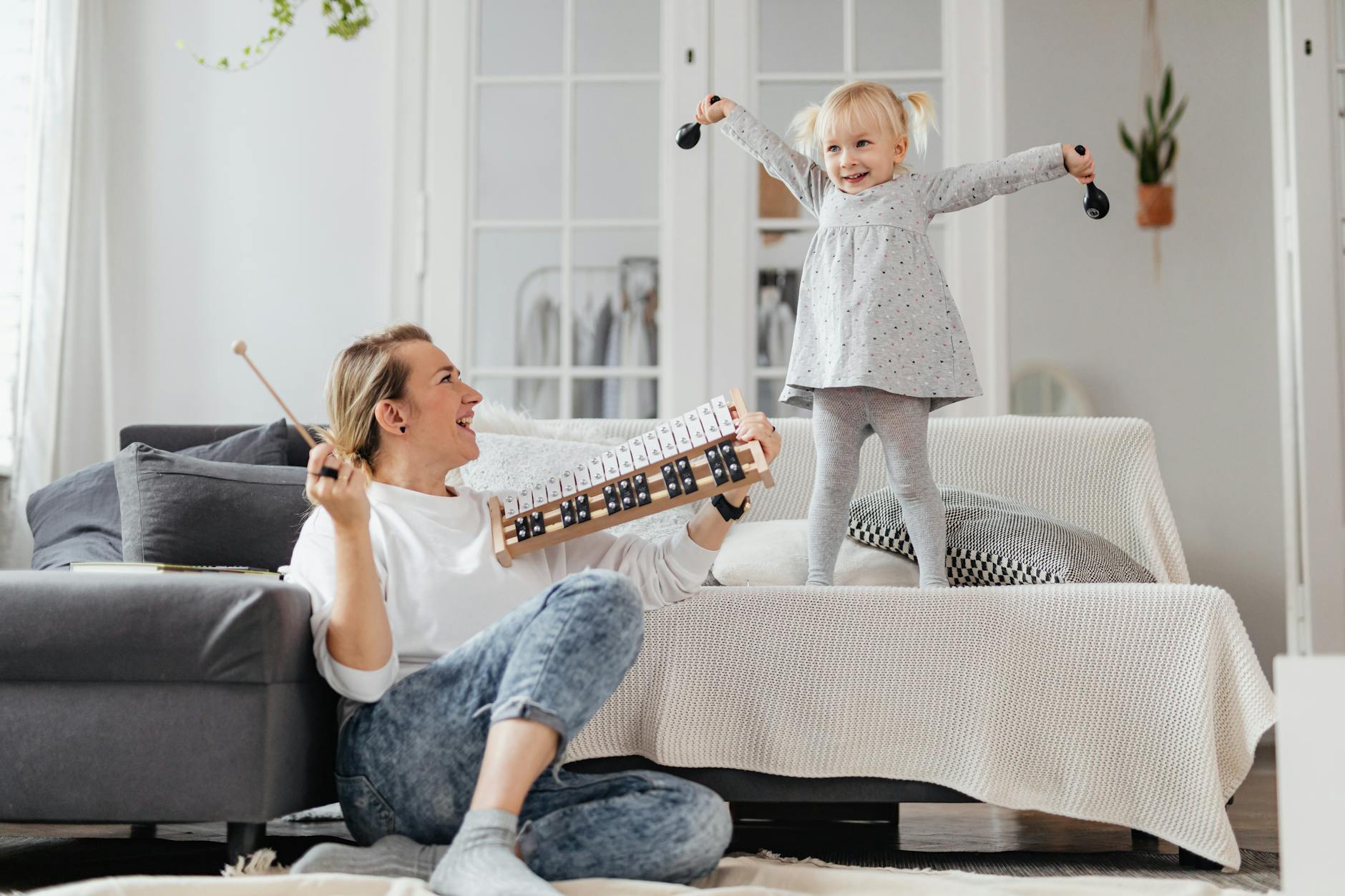
- Karaoke party – take turns choosing and singing songs. Pretend the singer is on stage and everyone else is the audience. Stuffed toys also make great audience members!
- Dance party – take turns coming up with different movements and following along
- Have a song for routine activities your child does daily, such as brushing teeth, getting dressed, and cleaning up to make it less of a chore. Kids are more likely to participate in chores if everyone gets involved, so make chore time a fun family event with music.
School Age (5-12+ years):
- Show an interest in their favorite music without judgement. Children at this age begin to develop their own preferences for music depending on what they are exposed to, as well as what their friends are listening to/what is popular. If you haven’t heard of the artist or group before, ask genuinely and with curiosity.
- Have a shared artist or album that you both enjoy listening to. Whenever you and your child are together (in the car, cooking in the kitchen, etc.) listen to that music so that positive associations of your time together will form. When your child listens to that same music in the future, they will be reminded of you!
- Attend a concert together – whether that’s for your favorite band or for your city’s orchestra. Make it a special event by planning an evening around it.
- Expose them to a wide variety of different music. Discuss the history behind the genre – if you aren’t sure, doing some research together makes for a nice bonding moment.
- Lyric Analyses – great for older kids! Find songs with lyrics containing a specific topic you wish to teach or talk about with your child. Listen to the song together, then discuss the lyrics. Ask questions like, “What stood out most to you in this song?”, “What message do you think the singer was trying to say?”, “What kind of emotions does this song want you to feel?” There are no wrong answers to these! Be open and non-judgmental.
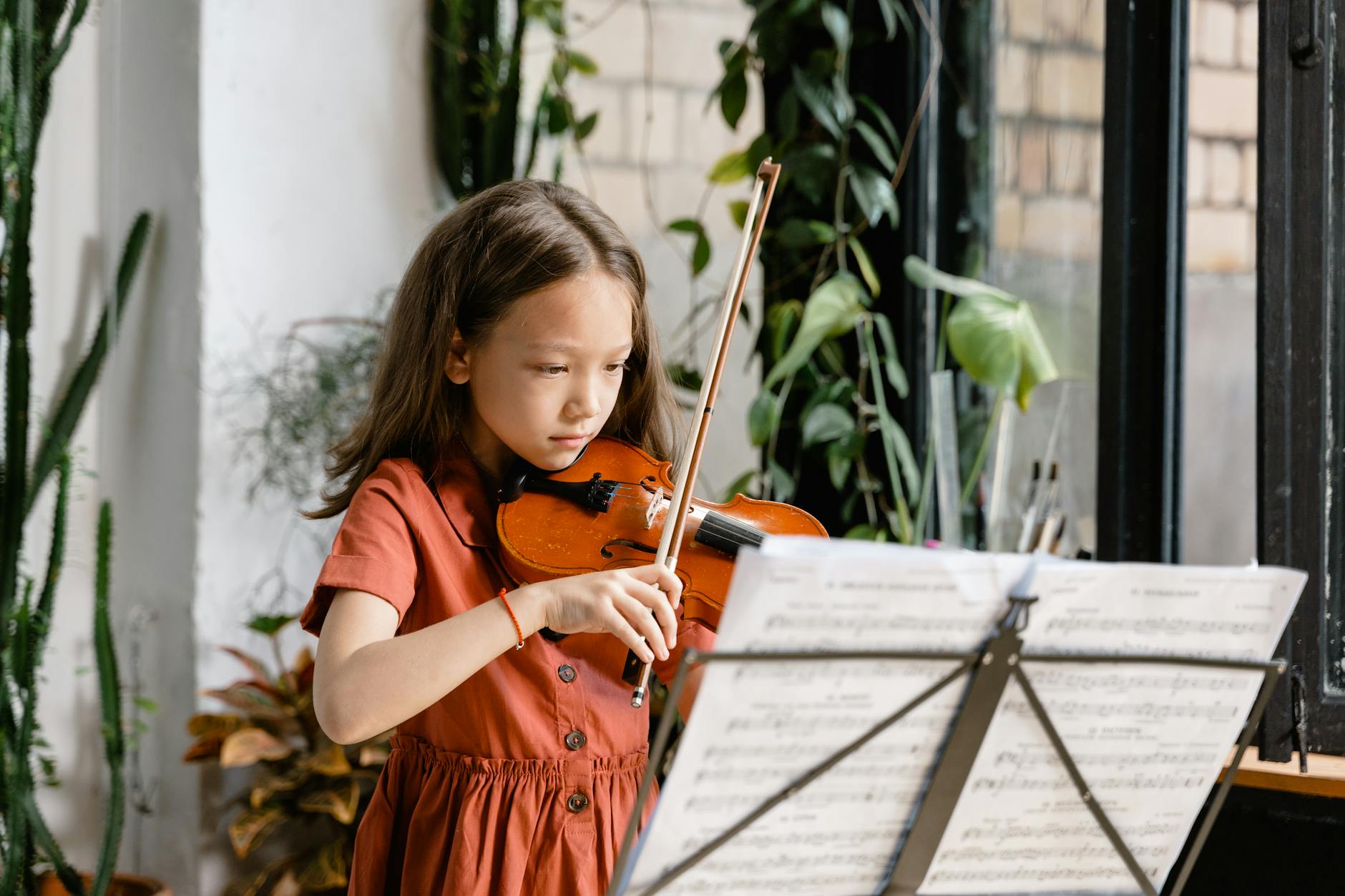
- Music Lessons are so beneficial to kids and adults alike, but they have such a powerful effect on the developing brain. Take advantage of this time in their development by supporting interbrain connections through music lessons. Interested in lessons but not sure where to start? Click here to read which beginner instruments I would recommend.
Summary
Music provides so many wonderful benefits for your child. It strengthens connections in the brain and provides cognitive, emotional, physical, and social support. Through all stages of childhood, music can be incorporated in many different ways. Implementing music into daily routines doesn’t have to be complicated or time-consuming. Simple, consistent musical interactions can have a significant impact on your child’s development.
Simple Strategies:
- Morning Routines: Start your day with cheerful songs while getting ready in the morning. Singing a favorite tune during breakfast or a quick song before heading out sets a positive tone for the day.
- Interactive Play: Use music as a backdrop for playtime. Consider playing instrumental music in the background while your child engages in building blocks or art projects, creating an enriched environment that sparks creativity.
- Bedtime Rituals: Establish a calm atmosphere during bedtime with soft lullabies. This not only helps with falling asleep but also reinforces a predictable routine that can provide comfort and structure.
Tips for Parents:
- Keep It Fun: It’s important that musical routines do not become a source of stress. Let the music flow naturally by incorporating it into activities you already enjoy.
- Engage Actively: Invite your child to sing along or move to the music. This active participation boosts learning and reinforces the link between sound, movement, and emotion.
- Experiment Regularly: Vary your musical choices. Introduce different genres—even classical music—to expose your child to a variety of rhythms and instruments. Over time, this diversity can enhance your child’s auditory discernment and musical appreciation.
Let’s Hear from You!
Have you tried any of these already? What are some of your favorite musical bonding moments you share with your child? I’d love to hear from you in the comments! Just want to say hi? Follow me over on Facebook and Instagram 🙂
Don’t forget to subscribe (it’s free!) and join our community of parents, educators, and caregivers to receive free printables and activity ideas right to your inbox!
Happy Music Making!


Citations and Footnotes
- Fernandez, Sabrina. “Music and brain development.” Pediatric annals 47.8 (2018): e306-e308.
- Zhang, Shiqi. “The positive influence of music on the human brain.” Journal of Behavioral and Brain Science 10.01 (2020): 95.
- Yazar, İlhan Uğur. “The effects of music on brain development.” Journal of Human Sciences 21.3 (2024): 234-246.
- https://headstart.gov/curriculum/article/music-child-development ↩︎
- https://www.brighthorizons.com/article/education/music-and-children-rhythm-meets-child-development ↩︎
- https://headstart.gov/curriculum/article/music-child-development ↩︎
- https://www.naeyc.org/resources/topics/music-and-songs ↩︎
- https://www.naeyc.org/resources/topics/music-and-songs ↩︎
- https://www.brighthorizons.com/article/education/music-and-children-rhythm-meets-child-development ↩︎
- Cover photo by Junior REIS on Unsplash

 The Melody of Life
Leave a comment